
The Triangle may be inland, but we’re certainly not immune to hurricanes.
A storm doesn’t have to make landfall near Raleigh, Cary, Durham, Apex, or Chapel Hill to cause damage here. Tropical storms can bring heavy rain, flash flooding, damaging winds, downed trees, roof damage, and extended power outages far beyond the coast.
Hurricane Fran proved it.
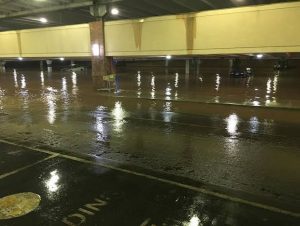
When Fran ripped through North Carolina in September 1996, hurricane-force wind gusts reached the Raleigh area, bringing down thousands of trees and damaging homes, roads, and power lines. Crabtree Creek rose about seven feet above flood stage, flooding Crabtree Valley Mall and surrounding areas. According to the National Weather Service, Wake County reported more than $900 million in residential and commercial property damage.
Thirty years later, the risk is still relevant. The Triangle is filled with mature trees, creeks, low-lying areas, and neighborhoods with drainage challenges.
Our hurricane season runs from June 1 through November 30. And while stocking up on batteries and bottled water is important, there’s another part of hurricane prep that’s easy to overlook:
Do you actually know what your homeowners insurance covers?
Here are six questions to ask your insurance agent before a storm heads toward North Carolina.
This is one of the biggest insurance misconceptions. Standard homeowners insurance generally does not cover flooding from rising water.
For example, heavy rain could cause a creek to overflow or stormwater to enter your home from the ground. In those cases, you may need a separate flood insurance policy.
You can find flood coverage through the National Flood Insurance Program or a private insurance company.
Don’t assume you’re in the clear because your home isn’t in a high-risk flood zone. Drainage, nearby waterways, elevation, and new development can all affect your flood risk.
Talk to your agent about the types of water damage your policy covers. Find out if flood insurance makes sense for your property. Also, check whether there’s a waiting period before coverage begins.
If you live in an established Triangle neighborhood, you know how many large trees we have. You also know what a major storm can do to them.
Your homeowners policy may cover damage if a tree falls on your home or another insured structure. Your deductible and specific policy terms will determine your coverage.
Tree and debris removal can be a little more complicated.
Find out what happens if your tree or a neighbor’s tree falls on your home, fence, shed, or driveway. It’s also worth checking whether your policy limits how much it will pay for tree removal.
Have a dead, leaning, or questionable tree on your property? Consider having a tree professional evaluate it before the next major storm.
Don’t assume your normal homeowners deductible applies to every storm claim.
Some policies have separate deductibles for hurricanes, named storms, wind, or hail. Insurance companies may calculate these as a percentage of your home’s insured value.
Here’s where that percentage matters.
If your home is insured for $500,000 and your storm deductible is 2%, you could pay the first $10,000 of a covered loss.
Have your agent walk you through every deductible that could apply. More importantly, ask for the actual dollar amount.
A “2% deductible” sounds a lot different when you realize what it could mean for your bank account.
How the water gets into your home matters.
For example, wind could damage your roof, break a window, or damage a door. Rain could then enter through that opening. Your policy may treat that differently from rising floodwater, an old leak, or damage caused by poor maintenance.
You should also know how your insurance company values your roof.
Your policy and the age of your roof can affect how much your insurer pays after a covered claim. Some policies use replacement cost. Others use actual cash value, which factors in age and wear.
Find out which one applies to your roof. It’s also worth asking if your coverage changes as the roof gets older.
Your home’s replacement cost is not the same as its market value.
As a Realtor, this is one distinction I wish more homeowners understood.
Market value considers things like location, lot, neighborhood, school assignment, and buyer demand. Your insurance company looks at something different: what would it cost to rebuild the house?
Think about how your home has changed since you bought it.
Have you remodeled the kitchen? Finished an attic? Added a screened porch? Renovated the bathrooms? If you’ve made major improvements, make sure your insurance company knows about them.
Building costs change over time, too. Your coverage from five or ten years ago may not reflect today’s construction costs.
Ask when your replacement-cost estimate was last updated. Make sure it includes your renovations. You should also find out what happens if the cost to rebuild exceeds your policy limit.
If storm damage makes your home unsafe to live in, where would you stay? And for how long?
Many homeowners policies include Additional Living Expense (ALE) or loss-of-use coverage. It can help pay for temporary housing and other extra living expenses after a covered loss.
But every policy is different.
Find out how much coverage you have and how long it lasts. Ask which expenses qualify and what records you’ll need to keep.
After a major storm, repairs can take months. Make sure your coverage could realistically work for your household.
Insurance policies vary. That’s why it’s important to review your specific coverage with your insurance agent before you need it.
While you’re at it, create a quick photo or video inventory of your home. Document your furniture, electronics, appliances, valuable belongings, and major improvements.
Keep a copy of your insurance policy and contact information somewhere safe and easy to access.
The North Carolina Department of Insurance also offers resources to help homeowners prepare for severe weather.
The goal isn’t to panic every hurricane season. It’s to avoid discovering after a storm that the coverage you thought you had isn’t the coverage you actually purchased.
Hurricane Fran taught Raleigh and the Triangle an important lesson: inland doesn’t mean out of reach. A quick insurance review now could save you from an expensive surprise later.
Remember, if you need suggestions for great insurance agents in the Triangle we work with some of the very best and would be thrilled to make a connection for you!